https://ift.tt/304Ck3k Though it’s tempting to view the courtroom sketch as a quaint relic of legal decorum, the physicality of drawing is urgent in a way that camerawork can’t always match. If you’re so inclined, you can Google a color-crayon courtroom drawing from October 29, 1969 showing Bobby Seale —cofounder of the Black Panthers and one of eight men put on trial that year for staging anti-war demonstrations at the 1968 Democratic National Convention in Chicago—gagged and bound to a chair. Earlier, in a fit of justified anger, he’d verbally interrupted the proceedings; the judge responded by ordering court officers to remove him from the court and restrain him. The drawing, by Howard Brodie and preserved in the Library of Congress, shows Seale holding his strong posture to the degree it’s physically possible, as he strains to write something on a legal pad; a Stravinsky-like stanza of strokes, slashes and loops, the sketch is an urgent, evocative work of reportage. That ...
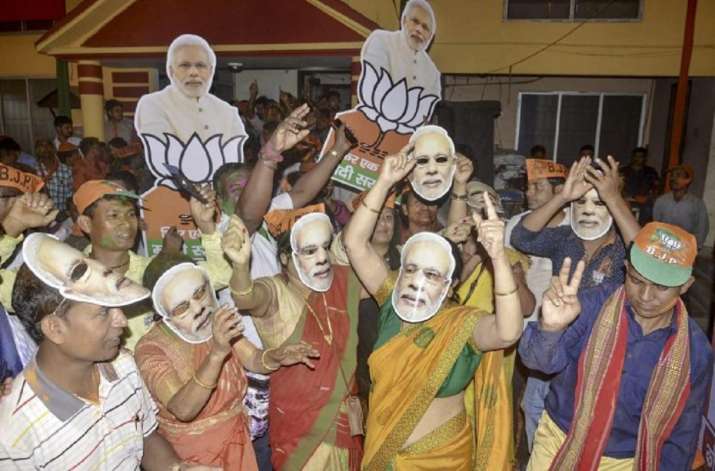 The Bharatiya Janata Party (BJP) on Friday released its election manifesto for the upcoming Bodoland Territorial Council elections in Assam in December. The manifesto for the two-phase BTC elections on December 7 and 10 was released in Kokrajhar in presence of the party's state president Ranjit Dass, and NEDA convener and cabinet minister Himanta Biswa Sarma, among others.
Comments
Post a Comment